Cut and Sew Manufacturer in USA for Garments Built Your Way
Most first production runs fail in the same two places: the fit drifts across the size run, or a reorder six months later doesn’t match the original color. Both come from the same root cause, a factory that worked off a rough idea instead of a locked spec.
Asiantex has worked across cutting, sewing, and in-house embroidery for over 10 years, handling everything from single-logo polos to full front-and-back placement work. As a custom cut and sew manufacturer serving US apparel brands, we quote from your tech pack, not a mood board, and keep those specifications consistent through every stage, from the first sample to the fifth reorder.
What We Do
Everything We Manufacture for Modern Apparel Brands
Printing a logo on a blank tee is easy. Building a t-shirt line that holds shape, color, and reputation after fifty washes is not. That’s the gap between a print shop and a real apparel manufacturing partner. Here’s how we close it.
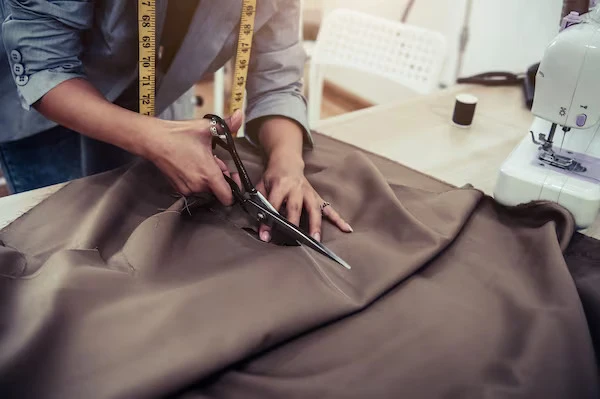
Complete Cut and Sew Production, Built Around Your Garments
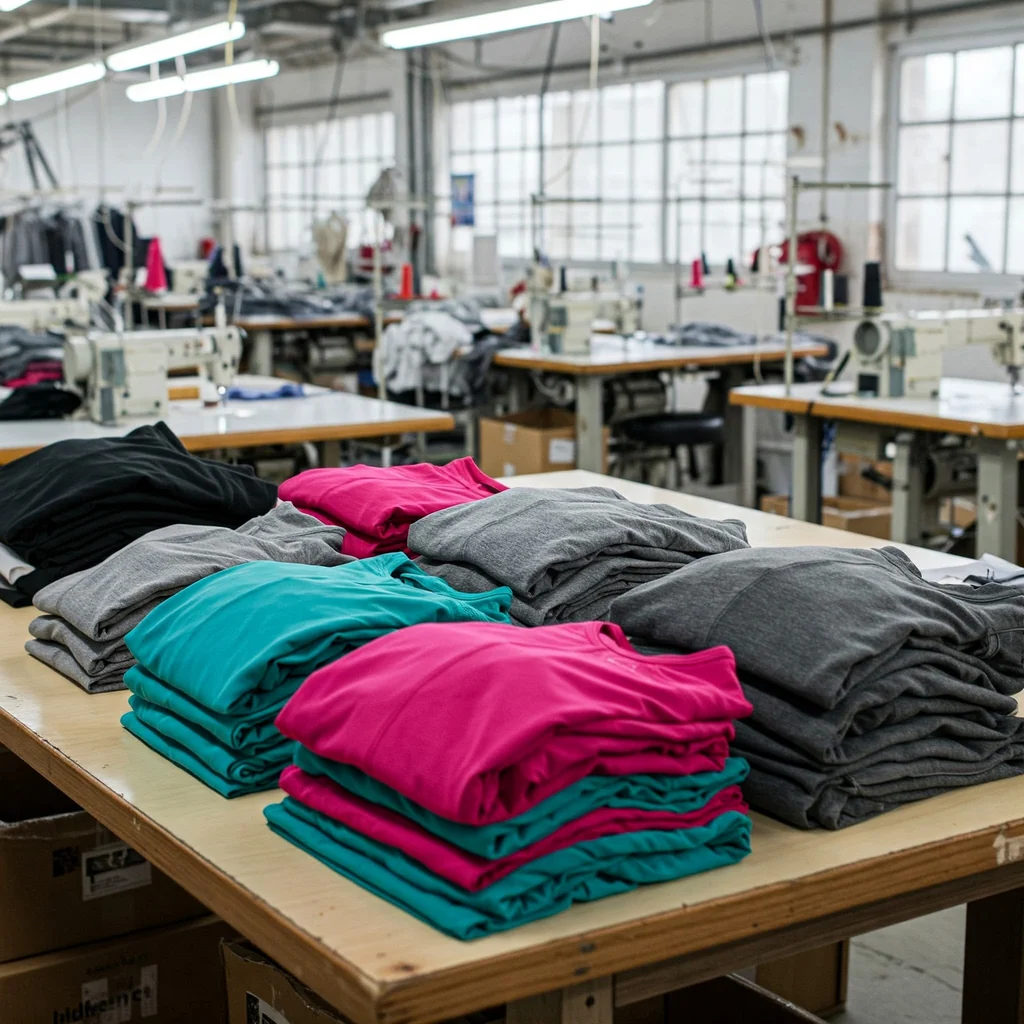
Our cut and sew apparel manufacturer services cover different garment types, each with its own construction and finishing needs. Here’s what we produce:
Tees, tanks, basics — As a cut and sew t-shirt manufacturer, we use overlock side seams to keep stretch fabrics from popping stitches, with coverstitch hems for a clean finish that holds after repeated washes.
Hoodies, sweatshirts — Brands working with a cut and sew hoodie manufacturer need construction that can handle heavier fabrics and repeated stress. Flatlock seams, twin-needle topstitching, and bartacks reinforce areas such as pockets and drawcord eyelets.
Activewear, leggings — Being a cut and sew activewear manufacturer, we use four-thread overlock with stretch settings to move with the fabric, while bonded or laser-cut seams can keep compression fits smooth against the body.
Outerwear, jackets — Bonded and taped seams block wind and moisture at the stitch line, with zipper insertion and lining built to hold shape over time.
Denim, workwear — Heavy-duty lockstitch and double or triple-needle felled seams are built for repeated wear, with riveting at points that take the most strain.
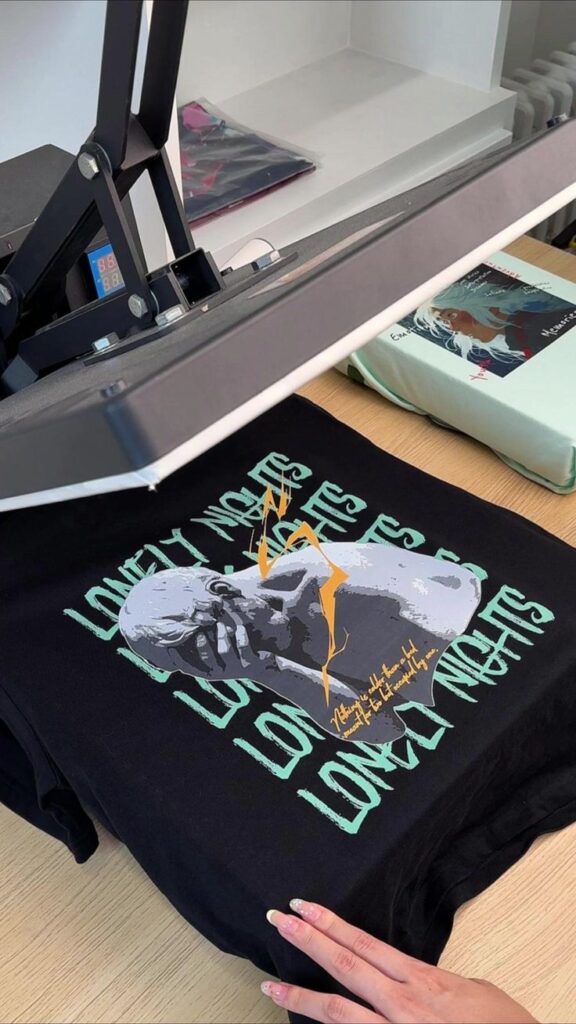
This setup also works well for brands looking for a cut and sew streetwear manufacturer, especially streetwear labels moving between heavyweight fleece, boxy tees, and twill outerwear without losing fit consistency between drops. Need decoration alongside your garment build? Asiantex offers apparel printing services, so branding can be planned around the garment rather than added as an afterthought.
Whether you’re launching your first collection or scaling an existing one, we keep quality and turnaround consistent on every run.
Your Fabric, Your Call: Three Ways to Source It
Fabric decisions get made once and live with the garment forever. There are three ways to handle sourcing, and each shifts risk to a different party.
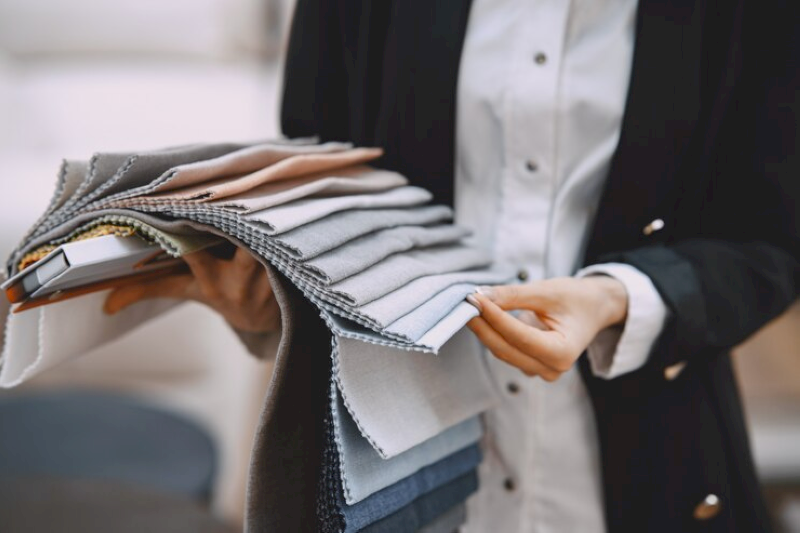
We source. You give us the GSM, composition, and hand-feel target. We source through our mill network and send swatches for approval before cutting a single yard.
You supply. You keep control over the exact fabric roll, but shrinkage, yield, and delivery delays on your end can quickly become production delays on ours.
We source, you approve. Lab dips and strike-offs go out before bulk fabric is committed. This is the middle path most private label brands land on.
A rough GSM range for brands still specifying: tees run 150 to 200 GSM, mid-weight fleece sits around 280 to 320 GSM, heavyweight fleece runs 400 GSM and up. Every fabric, sourced by us or supplied by you, goes through a shrinkage and wash test before we move into bulk cutting at our cut and sew clothing factory. Skipping that test is the usual reason a sample fits and the bulk run doesn’t.
Start Production With a Quote You Can Trust
If you’re approaching a custom cut and sew manufacturer with a vague brief, expect a vague quote. Here’s what turns your request into an actual production number:
- Flat sketches, front and back: construction details a photo won't show
- POM chart with tolerances: without a tolerance range, a fit dispute has no reference point to settle against
- Base size and grade rules: how each measurement changes across your size run
- Fabric spec: GSM, composition, stretch percentage if applicable
- Trims and labels: type, placement, and sourcing, yours or ours
- Colorways with Pantone references: "navy" means five different things without a TCX code
- Stitch and seam callouts: where flatlock, coverstitch, or bartack is required
No tech pack yet? We’ll build one from your sketches or an existing sample, for a flat fee credited back against your first production run.
Order Volumes That Fit Your Production Plans
Minimum order quantities aren’t a fixed wall. They shift based on style, colorway, and fabric commitment, and we’ll confirm the exact number once we see your spec. What’s more useful upfront is knowing what each volume tier unlocks: entry volume gets standard trims and stock fabric colors, mid volume opens dyed-to-match fabric and private woven labels, higher volume unlocks custom fabric development and exclusive colorways.
When you’re choosing a bulk cut and sew clothing manufacturer, you should know what your order volume unlocks before you commit, not after. Still deciding whether to build a private label line or start on a wholesale blank and brand it later? Our breakdown on private label vs. wholesale t-shirt manufacturing walks through which one fits a first-time brand.
Get the Quality Your Garments Need at a Fair Cost
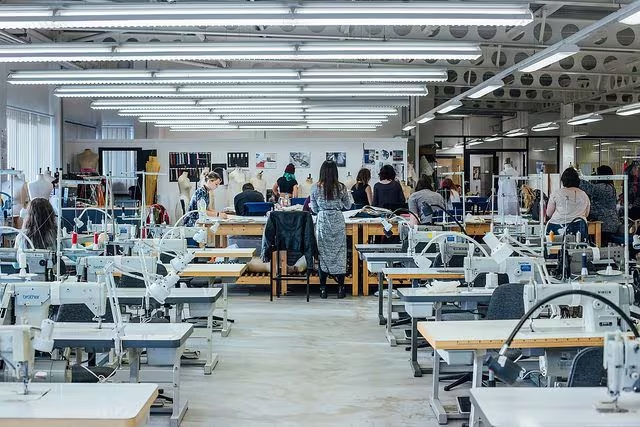
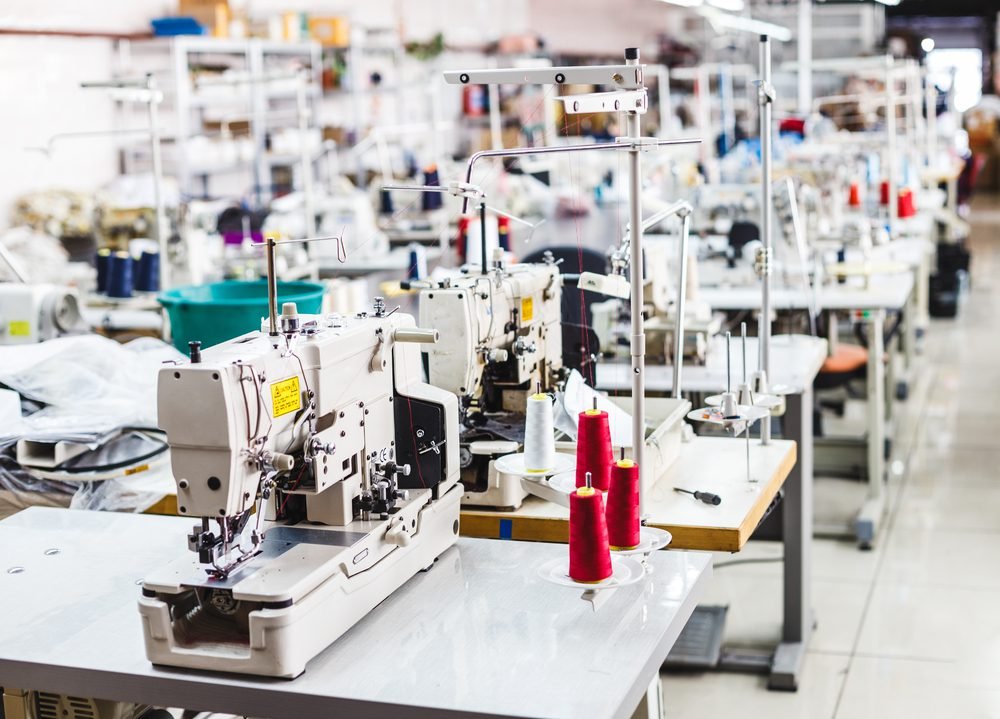
Good cut and sew manufacturing comes down to quality, flexibility, and knowing what your order actually needs. Asiantex handles custom garment production alongside in-house embroidery and printing, so your construction and finishing stay under one production team.
We work with orders starting from 100 pieces, offer samples in 7–10 days, and typically complete bulk orders in 2–4 weeks, depending on the garment and order size. You get a production setup built for both first orders and repeat runs, without having to build a different supplier network for every part of the garment.
How We Protect Your Order and Your Designs
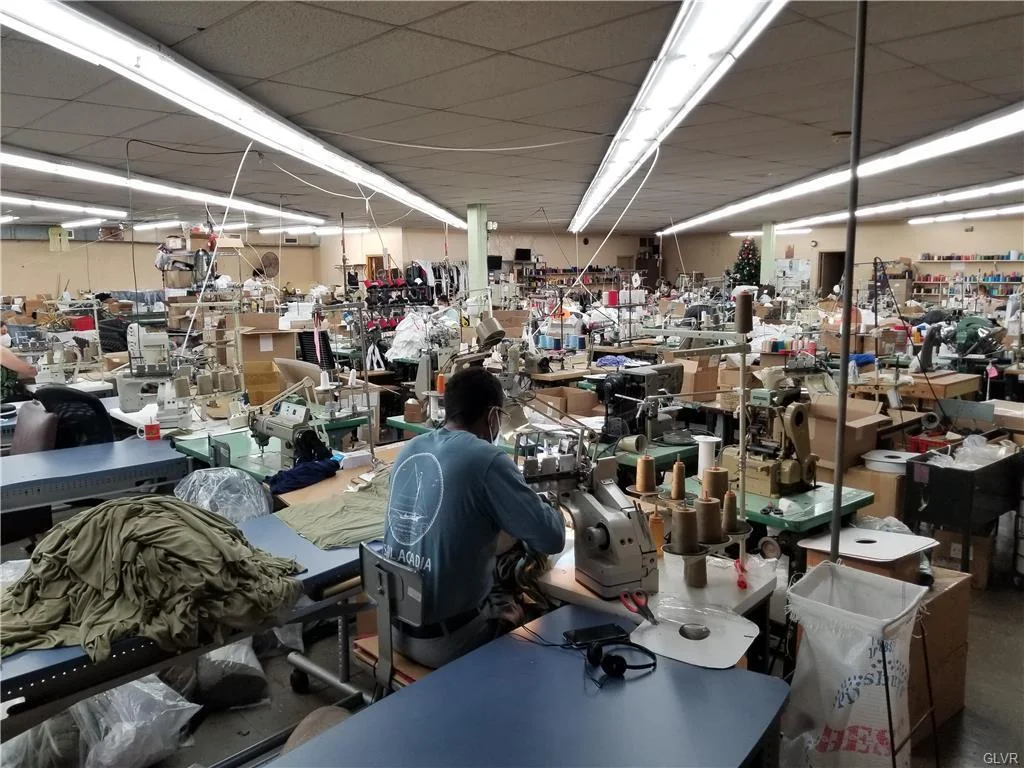
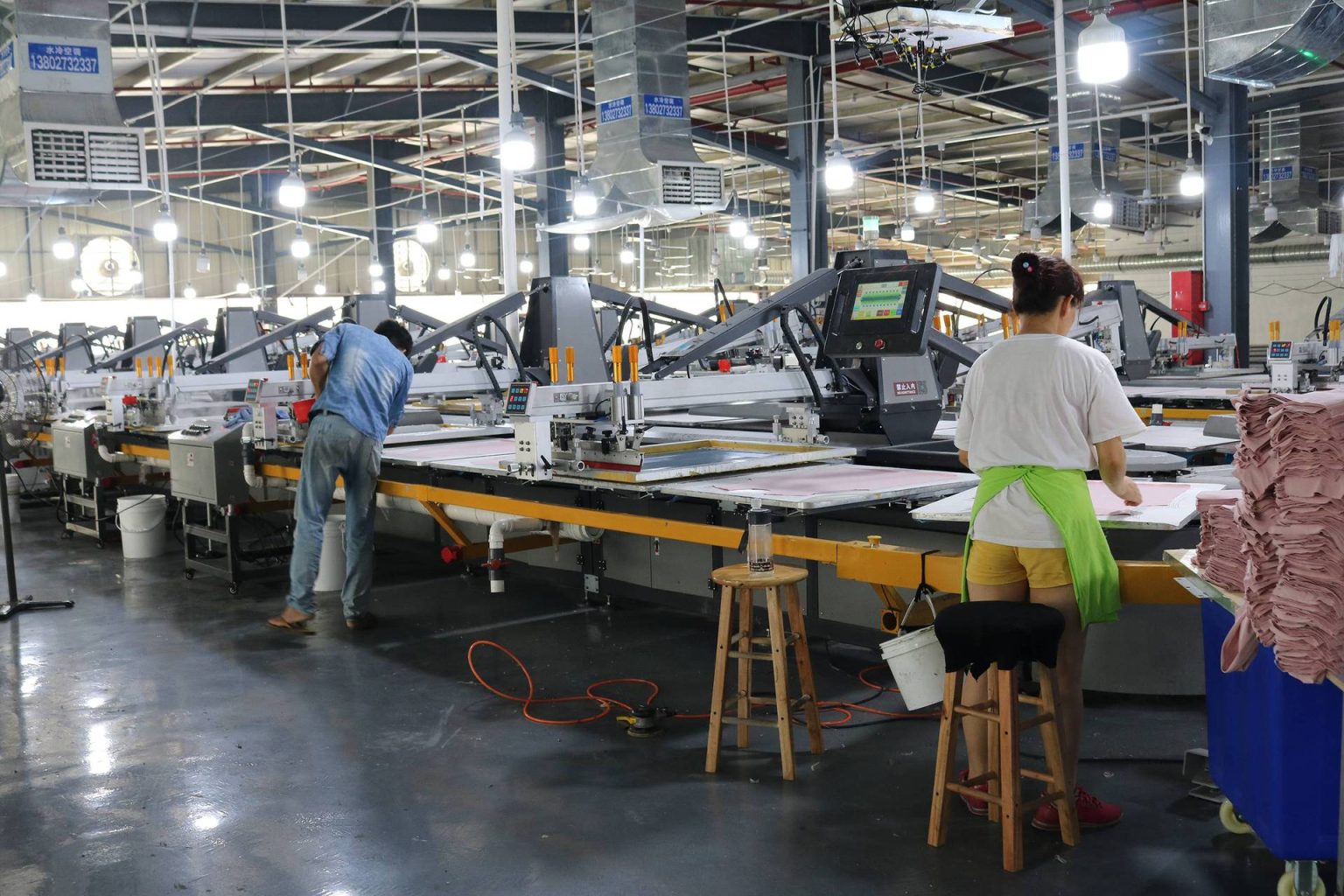
Every batch runs through inspection at three points: during cutting, mid-line during sewing, and a final check before packing, using AQL sampling to catch defects without checking every unit by hand. If a defect traces back to our cutting, sewing, or QC process, the affected units are remade or credited. That liability sits with us. Your patterns, tech packs, and designs stay yours. When comparing a cut and sew factory USA option for your next production run, ask how your patterns, tech packs, and designs are protected before you commit.
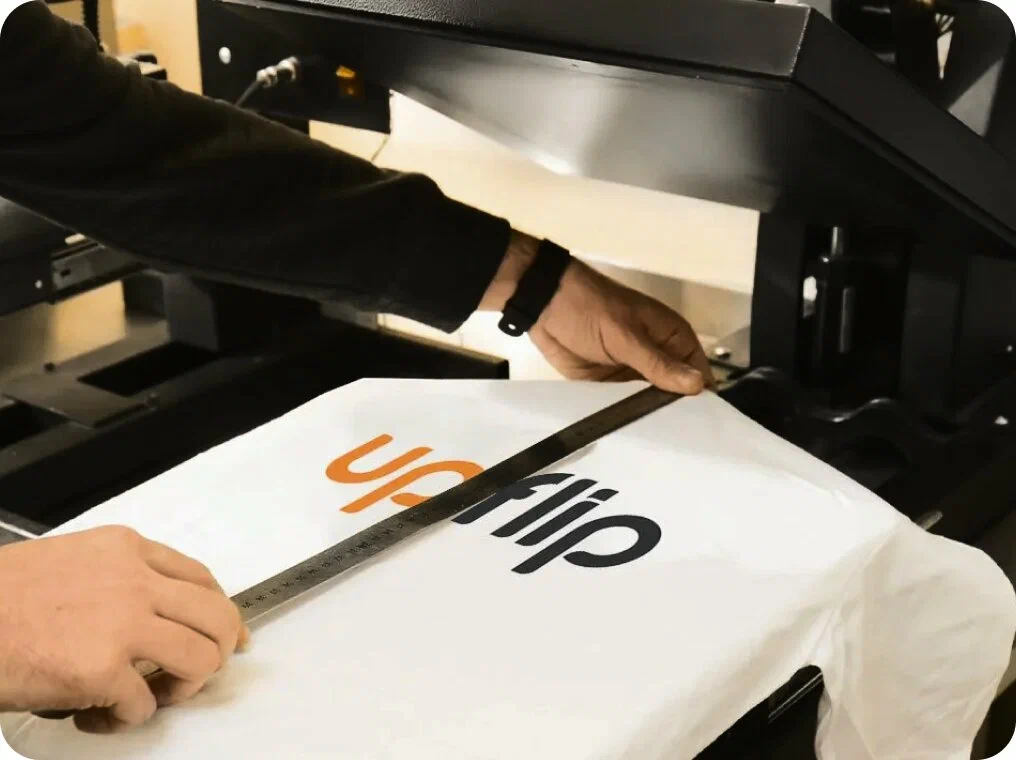
Asiantex Takes Your First Order With the Next One in Mind
At Asiantex, we keep the details that matter to your brand consistent, from the approved pattern to the final production run.
- Floor-tested experience. Over 10 years of pattern work and fabric trials behind every quote, not a number pulled from a spec sheet.
- In-house embroidery expertise. Placement and stitch density are set by people who've run the machines, not estimated from a photo.
- Reorder consistency. Approved patterns and grade rules stay on file, so your eighth-month reorder is built from the same numbers as your first.
- One point of contact. Your account manager carries your spec through sampling, approval, and bulk production.
- PP sample discipline. Bulk cutting waits for your written sign-off, even when a rush order is on the table.
For brands seeking personalized cut-and-sew manufacturer services, our team carries the same specifications from sampling through bulk production. For the wider range of production capabilities beyond cut and sew, see our apparel manufacturing services.
From Tech Pack to Delivered Cartons: Our Six-Step Process
Our cut and sew production process runs in six stages, each with a clear handoff so you’re never guessing what happens next.
- Review your tech pack and return a costed quote within 48 hours of receiving your full spec.
- Build the base pattern and confirm grade rules across every size in your run before cutting starts.
- Sew the proto sample and correct fit issues through revision rounds before we move to pre-production.
- Lock the PP sample with your written sign-off, the gate that stops bulk cutting from starting early.
- Cut and sew the bulk order with QC checks built into cutting, mid-sew, and final inspection.
- Inspect, pack, and ship finished cartons labeled and packed to the spec you approved at step one.
Anything left unanswered is on our FAQs page.
What Our Happy Clients say
What Our Customers Say
AsianTex is the first manufacturer where samples actually matched the final production run. That alone saved us three reorders' worth of headaches

Build It Once. Get It Right. Reorder With Confidence.
Ready to work with a cut and sew manufacturer in USA that quotes off your actual spec and holds it through bulk production? Upload your tech pack for a costed quote, or reach out through contact us if you’d rather start with a call.
Frequently Asked Questions
A factory that cuts fabric into pieces and sews them into a finished garment. These are built from your pattern, not a pre-made blank.
Compare factories on product type, MOQ, and sample turnaround. Review their tech pack process. Then start with a test order.
It depends on your style, colorway, and fabric choice. Send your spec and we'll confirm the exact number.
Tees, hoodies, denim, and activewear all fall within scope. Leather goods, footwear, and molded hardware don't.
Sampling runs a few weeks, bulk production several more depending on order size.
It helps but isn't required. Send sketches or a reference sample and we'll build one together.
Cut and sew builds your garment from your own pattern. Private label starts from an existing blank that gets branded.
Yes. Asiantex handles sampling, revisions, approval, bulk production, and final quality checks with one team.
Ask for a facility video, real samples, and references from brands ordering similar volumes. Photos alone prove little.
We inspect cutting, mid-sew, and final stages. Units traced to our process get remade or credited.