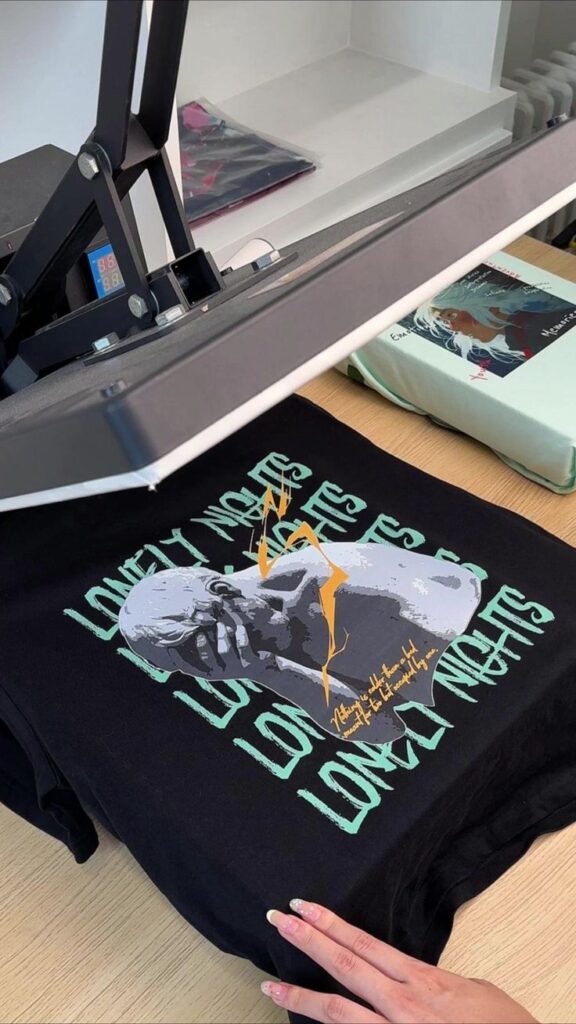
Ordering clothing from a factory is not like ordering from a store. You can’t just buy ten. Most factories want a minimum run, and for a small brand that can mean thousands of dollars tied up before you sell a single piece. The minimum order quantity custom clothing factories ask for changes with the garment, the fabric, and the colors you pick, so the number you hear first isn’t always the final one. Here’s how those minimums work, what drives them, and how to size your first run without overspending.
What Is the Minimum Order Quantity (MOQ) for Custom Clothing?
MOQ is the smallest number of pieces a factory will make in one order. Some factories count it per style, some per color, and some across the whole order. That detail changes your math a lot. A 200 piece minimum per style sounds fine until you learn it applies to every color too.
What’s the minimum order for custom clothing? Most factories land somewhere between 50 and a few hundred pieces per style, depending on the item and the fabric. Treat that as a rough estimate and not a rule. Every custom clothing MOQ is set by the factory itself. So ask for theirs in writing before you plan anything around it.
Why Do Custom Clothing Manufacturers Set MOQs?
Factories aren’t trying to make life hard for small brands. Every MOQ clothing manufacturer works around the same four costs, and none of them shrink much when your order does.
- Pattern and setup work. Making the pattern, sizing it up and down, and planning the cutting layout takes the same effort for 50 pieces as for 500.
- Fabric rolls. Mills sell fabric in big rolls, and many ask for a minimum amount per color. The factory has to buy that amount whether your order uses all of it or not.
- Line changes. Switching thread, machines, and workers between styles eats up hours. A longer run spreads that lost time over more garments.
- Trims and labels. Custom woven labels, zippers, drawcords, and polybags are often bought in set lots too.
Typical MOQ Ranges for Different Clothing Categories
The table below shows estimated ranges only. They reflect common cut and sew habits, and they will differ from one factory to the next.
| Garment Category | Estimated MOQ per Style | What Pushes It Higher or Lower |
| T-shirts and basic tops | 50 to 300 pieces | Fabric type, printed or fully cut and sewn |
| Hoodies and sweatshirts | 100 to 300 pieces | Fleece weight, custom trims |
| Joggers and sweatpants | 100 to 300 pieces | Fabric, waistband and cord details |
| Activewear and leggings | 150 to 500 pieces | Stretch fabrics, seam style |
| Jackets and outerwear | 200 to 500 pieces | Lining, filling, zippers and hardware |
| Dresses and woven garments | 100 to 300 pieces | Fabric sourcing, pattern difficulty |
These are estimates and not industry standards. So check minimums with any factory before you build a budget around them. One more thing worth knowing. A cut and sew MOQ is usually higher than the minimum for printing on blank garments, because the fabric gets cut from scratch. If you want to see how that plays out on the floor, take a look at our cut and sew manufacturing process.
What Determines the MOQ for Your Custom Clothing Order?
Two brands can ask for the same hoodie and get very different minimums. Here’s what usually causes that.
- Fabric sourcing. Fabric from a factory’s existing stock usually comes with a lower minimum. Fabric that is dyed or knit just for you pushes it up, since the mill needs a big enough order to make the job worth it.
- Colorways. Each extra color often carries its own fabric minimum. Three hundred pieces in one color is a very different order from three hundred split across five.
- Custom labels and trims. Woven labels, hang tags, and special zipper pulls often come with their own minimums, and the biggest one can set the pace for the whole order.
- Garment construction. More panels, linings, and detailed stitching mean more setup time. So the practical minimum climbs.
Where your design comes from matters too. Bringing your own design is not the same as starting from a pattern the factory already has. Brands building their own label from scratch often begin with private label manufacturing. This is where the minimum depends on how much of the design is truly custom.
Not sure which model fits you? Read our guide on White Label vs Private Label Clothing.
How MOQ Affects Unit Cost, Inventory, and Profitability
A bigger order lowers the price of each piece. Because setup and fabric costs get shared across more garments. The catch is cash. You also tie up more money and risk sitting on stock that doesn’t sell, and sizes like XL and XXL tend to linger. Small batch clothing manufacturing cuts that risk but usually costs more per piece. The cheapest unit price isn’t always the best deal if boxes sit in a spare room for a year.
Here’s a made up example for a US streetwear brand planning its first drop of one hoodie style in three colors. These numbers are illustrative, and real quotes vary.
- Plan A is 300 pieces split evenly, 100 in each color. Every color hits its own fabric minimum. So the factory quotes about $24 per hoodie. The total is $7,200.
- Plan B is the same 300 pieces in two colors, 150 each. Fabric gets used more fully, so the quote drops to about $21. The total is $6,300.
That’s roughly $900 saved, and the brand has one less color to sell. If the two best sellers from the test photos are obvious, Plan B also lowers the chance of leftover stock. The third color can wait for a reorder.
How to Calculate a Workable MOQ for Your First Production Run
You don’t need a perfect forecast. You need an honest guess and a simple method.
- Estimate what you can realistically sell in the first season. Count pre-orders, your email list, and any wholesale interest. Skip the hopeful guesses.
- Take your total production budget and subtract samples, shipping, and marketing.
- Divide what’s left by the full cost per piece after shipping and duties. If you have $6,000 left and each piece costs $20, your ceiling is 300 pieces.
- Break that number into sizes and colors, and check that each color still meets the factory’s minimum.
- If the numbers don’t fit, cut a color or a style before you cut units per style.
- Plan a reorder so the first run works as a demand test and not an all-in bet.
If you’re a US-based startup hunting for a low MOQ clothing manufacturer USA brands can work with, pick partners who are open about per-style and per-color minimums from the first conversation. For quick answers on samples, lead times, and ordering, check our faq.
Still at the planning stage? Our guide on How to Start a Clothing Brand covers budgeting, sourcing, and launch steps.
How to Negotiate MOQ Without Compromising Garment Quality
Can new brands negotiate lower MOQs? Often, yes, within limits. The best results come from changing the shape of the order and not from pushing on price.
- Pick fabrics the factory already stocks instead of developing new ones.
- Cut down the number of colorways or styles.
- Keep construction and trims simple on the first run.
- Offer a reorder plan or split production into phases.
- Show up with a complete tech pack and be ready to pay for samples.
Watch out for one trap. Getting a lower minimum by accepting thinner fabric or skipped quality checks will cost you more later in returns and bad reviews. A smaller order with the right quality beats a bigger order you’re embarrassed to ship.
How Asiantex Works With Businesses on Custom Clothing Orders
Most of the people we work with are startups, small labels, and wholesale buyers placing their first or second order. Many arrive with a solid design and a budget that doesn’t match the minimums another factory quoted them.
Here’s a typical case. A founder came to us with a zip hoodie in four colors and wanted 400 pieces, 100 per color. The fabric minimum for each color was higher than 100 hoodies would use, so her first quote was steep. We looked at her pre-orders together and two colors clearly led. We moved her to 400 pieces in just those two colors and switched to a fleece we already stock, while keeping her custom woven label. Her price per piece dropped, and she avoided the long wait for custom dyed fabric. The other two colors went into her second order a few months later.
Our minimums depend on the style, the fabric, and the number of colors, so we quote each project once we’ve seen your tech pack. Explore our apparel manufacturing services to see how we handle everything from sampling to bulk production. When you’re ready, contact us with your tech pack or design idea and we’ll give you an MOQ estimate based on your actual styles.
End Word
With this blog post, you get to understand that knowing the minimum order quantity custom clothing factories ask for lets you plan a budget with your eyes open. Fabric, colors, trims, and construction all move the number, and a few smart choices can bring a first run within reach. Start small, test what sells. And grow from there. When you want a real number for your own design, send us a request and we’ll go through it with you.
FAQs
1. Do clothing manufacturers have low MOQ options?
They have. Some will start at 50 pieces per style if you pick fabric already on their shelf.
2. How do you start a clothing line with low minimums?
Keep it small. One style, one or two colors, and fabric the factory already stocks.
3. Is MOQ counted per style, per color, or per order?
Depends on the factory. Many count per style and again per color, so ask before ordering samples.
4. How many pieces should a new brand order for a first production run?
Most land between 100 and 300 pieces per style. Let your pre orders and cash decide.
5. Can you get samples made before meeting the MOQ?
Yes, one or two at a time. You’ll likely pay for them, though.
6. Why is the MOQ for cut and sew higher than for printing on blank garments?
A blank shirt already exists. Cut and sew starts from raw fabric, so patterns and cutting add setup.
7. Is a small batch manufacturer better than a large factory for a new clothing brand?
For a first run, usually. Big factories tend to price better once you order in the thousands.
8. What should I compare when choosing between low MOQ clothing manufacturers?
Look past the headline number. Check per color minimums, sample costs, and lead times.
9. What is the minimum order quantity at Asiantex for custom clothing?
It shifts with style, fabric, and colors. Send your tech pack and we’ll give you a real number.
10. How can I get an MOQ quote from Asiantex for my design?
Send your tech pack or a rough idea through our contact page. We’ll reply with an estimate.