Iron-On vs Sew-On vs Velcro Patches: Which One Is Right
You’ve got the design locked in. Colors, thread count, shape. All sorted. And then someone asks: “What backing do you want on these?” Most buyers pause here longer than they expected.
It sounds like a small detail, but the wrong call means patches peeling off after a few washes, or adhesive that won’t grip the fabric at all. For anyone placing a bulk order, that conversation ends with a re-order and a delay. This guide walks through the full custom patches comparison so you can make the call before production starts, not after.
The Part Most Buyers Treat as a Checkbox
Embroidery design gets all the energy. Thread colors, stitch count, border finish. The backing gets picked in about ten seconds at the end of the conversation.
Patch backing types quietly determine how long the patch stays on, which fabrics it’ll actually work with, how it holds up after repeated washing, and what the application process looks like on the production floor. Same design, different backing, completely different result in the field.
Working across workwear, fashion merch, and tactical gear orders over the years, the buyers who bring up backing early consistently avoid the re-order conversation. The ones who pick it as an afterthought are the ones calling back two weeks later.
If you want to see the range of embroidered patches types Asiantex produces and what each involves, the Embroidery Patches Services page covers everything from standard flat embroidery through to 3D puff and appliqué work.
Iron-On Patches: Fast Application, Right Conditions Required
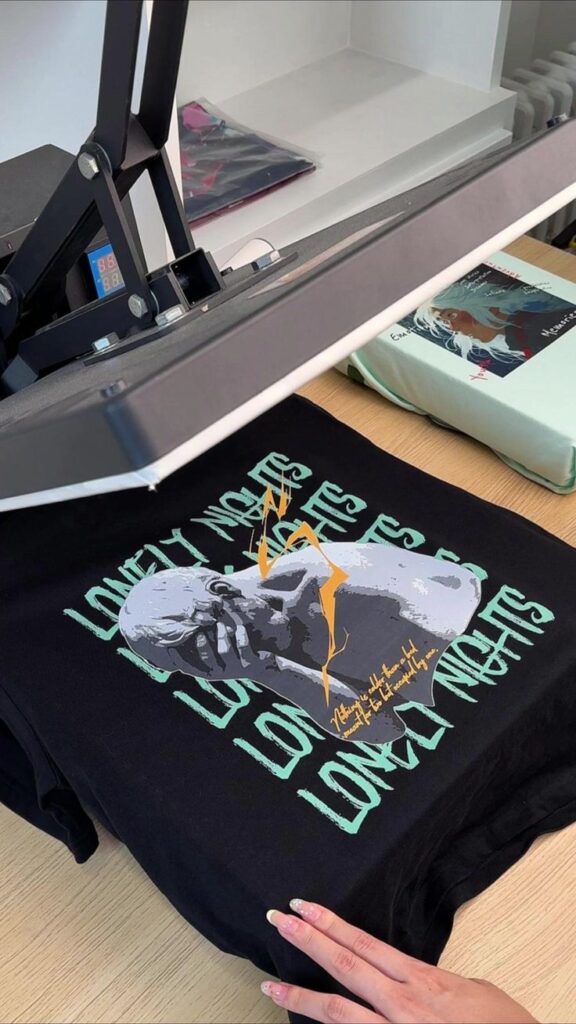
There’s a heat-activated adhesive layer bonded to the underside of the patch. A heat press or household iron activates it, the glue grips the fabric, and the patch is on. No sewing, no extra equipment beyond the press, and per-unit cost stays lower than the other options.
Where iron-on patches work best:
- Cotton, denim, and polyester-blend garments
- Retail apparel where the brand is applying patches before dispatch
- Merch and promotional runs with a quick turnaround requirement
Cotton and denim take the bond well. Nylon, waterproof outerwear, and loosely woven materials are a different story. The adhesive struggles to grip and the heat itself can damage the shell. Worth checking fabric specs before committing to this backing on technical pieces.
The other thing to know is that the bond isn’t permanent the way stitching is. Heat adhesive weakens gradually with machine washing, particularly on warm or hot cycles. On garments that go through the wash regularly, kids’ clothing, workwear, active pieces, running a stitch around the patch edge after pressing keeps it secure once the adhesive starts giving way. A lot of brands skip that step and find out why they shouldn’t about six months later.
Sew-On Patches: The Option That Outlasts the Garment
No adhesive, no heat, no special equipment beyond a sewing machine. Sew-on patches get stitched directly to the garment, either on a production line or by hand for smaller quantities. The edge comes finished with a merrowed border or folded flat, so it feeds through a machine cleanly.
Sew-on makes sense when:
- The garment is going through heavy or frequent washing, workwear, uniforms, industrial clothing
- The patch placement needs to be completely permanent with no lift risk over time
- The fabric isn’t compatible with heat adhesive
- You’re producing for schools, clubs, employee programs, or anywhere appearance standards matter long-term
A well-stitched patch genuinely outlasts the garment underneath it. Workwear jackets that go through hundreds of industrial wash cycles come back with the patch still sitting flat and clean. For anything permanent, nothing else comes close.
The tradeoff is production time. Applying sew-on patches to finished garments requires equipment and trained operators. Brands handling large volumes usually bring their garment manufacturer into this step rather than doing it separately. It adds a stage to the process, but for uniforms and anything long-wearing, it’s the right call every time.
Velcro Patches: Useful When the Patch Itself Needs to Change
Hook and loop patches work on a different logic altogether. The patch carries the hook side of the Velcro on its back. A loop panel gets sewn onto the garment permanently. The patch presses onto the loop, holds securely during wear, and peels off cleanly when you need to swap it.
Common applications:
- Military and tactical gear where rank, unit, or role patches rotate
- Law enforcement and emergency services uniforms
- Sports and corporate team kits where personnel change between seasons
- Hats, bags, and backpacks with loop panels already integrated
The appeal for organizations is straightforward. One jacket can carry different patch configurations depending on the wearer or the role. Replacing an embroidered-on patch means replacing the garment. Replacing a Velcro patch takes about three seconds. For teams managing large numbers of uniforms across changing rosters, that difference in flexibility adds up in real money.
The grip is solid enough for daily wear. A properly attached Velcro patch won’t shift or drop off, but the backing adds some thickness and stiffness to the patch, which matters on curved panels like hat fronts. Factor that into the design stage rather than trying to fix it after samples come back.
Brands sourcing rubber or PVC patches with Velcro backing for outdoor and tactical lines will find the surface print is handled separately from the backing. Asiantex’s Screen Printing Services covers that side of production alongside the embroidery work.
Cost Breakdown: Price Differences Explained
Backing type does affect your per-unit cost, but probably not as much as you’d expect. The bigger pricing variable is always quantity. Here’s how the numbers actually break down across backing types at different order volumes:
| Backing Type | 50 units | 100 units | 500 units | 1,000 units | Backing Surcharge |
| Sew-On | ~$3.60 | ~$2.40 | ~$1.50 | ~$0.33 | None |
| Iron-On | ~$3.60 | ~$2.40 | ~$1.50 | ~$0.33 | None |
| Velcro | ~$4.20 | ~$2.88 | ~$1.72 | ~$0.53 |
Pricing based on standard embroidered patches under 4 inches.
Source: Panda Patches Pricing Guide, 2026.
Sew-on and iron-on typically cost the same at the patch production stage. The real cost difference between those two shows up in application, not manufacturing. Iron-on you can apply in-house with a heat press. Sew-on requires sewing equipment and operator time, which adds labor cost depending on who’s doing the application and at what scale.
Velcro is the only backing that carries a consistent surcharge. It adds a flat $30 per order regardless of quantity or patch type. On a 50-unit run that’s noticeable. On a 1,000-unit order it’s essentially nothing. If your product genuinely needs removable patches, the cost is worth it. If it doesn’t, there’s no reason to pay it. Knowing your custom patch options at the order stage, rather than after, is how you avoid paying for things that don’t serve the end product. The best patches for clothing are simply the ones matched to the right backing from the start
Application Difficulty: Which One Is Easiest to Apply?
This is worth thinking about before you order, because who applies the patches and what equipment they have changes the answer.
Iron-on is the most accessible. A household iron works, though a heat press gives more consistent results across a bulk run. The standard protocol is pressing at 350°F with firm pressure for 20 to 30 seconds, no steam, followed by a full cool-down before handling. Anyone on a production floor can be trained on this in under an hour. The risk is inconsistency — uneven pressure or temperature gives you uneven bonds across the batch.
Sew-on takes more setup. You need a sewing machine, the right thread, and someone who knows how to align and feed patches cleanly without puckering the fabric. On a production line with experienced operators it’s fast and consistent. For a brand trying to apply patches themselves without sewing equipment, it’s the hardest of the three. Most brands in this situation hand that step off to their Custom Clothing Manufacturers rather than building the capability in-house
Velcro sits in the middle. The loop panel gets sewn onto the garment once, which requires the same sewing setup as sew-on patches. After that, attaching and swapping the patch itself takes seconds and needs no tools at all. For ongoing operations where patches change regularly, it ends up being the easiest option over time even if the initial setup requires more work.
Quick reference:
- Easiest for one-time bulk application: iron-on
- Most reliable long-term with minimal re-work: sew-on
- Easiest for ongoing patch changes after setup: Velcro
Get This Right Before the Order Goes In
Backing decisions that get made in a hurry, or without thinking about the actual end use, are where most patch re-orders come from. The embroidery might be perfect and it still doesn’t matter if the patch is lifting off a fabric that was never going to hold it.
The whole point of this custom patches comparison is to take that decision off the table early. Iron-on for fast, accessible application on compatible fabrics. Sew-on when it has to stay put permanently. Velcro when the product needs to stay flexible.
Nail down the backing at the same time you’re finalizing the design, not as an afterthought on the order form. Asiantex works through this with brands before production starts. Reach out if you want to talk through which option fits what you’re building.
Starting from scratch on how custom apparel sourcing works? What Is Custom Apparel Manufacturing? A Complete Guide for Brands is a useful read before you get into the details.
FAQs
1. What’s the difference between iron-on and sew-on patches?
One uses heat to stick, the other gets stitched on. Iron-on is faster to apply, sew-on is more permanent.
2. How long do iron-on patches last?
Roughly 25 wash cycles, less if you’re using hot water or a tumble dryer regularly.
3. Can you wash iron-on patches?
Yes, but stick to cold or warm water. Heat is what breaks the adhesive down quickest.
4. How do you apply iron-on patches?
No steam, firm pressure, around 350°F for 20 to 30 seconds, then leave it alone until it cools completely before you handle it.
5. Can sew-on patches be removed?
You can take them off with a seam ripper but expect small needle holes in the fabric where the stitching was.
6. What’s the strongest patch backing?
Sew-on. Thread holding directly to fabric doesn’t weaken over time the way adhesive or Velcro eventually does.
7. Are hook and loop patches the same as Velcro?
Yes, Velcro is just a brand name that everyone started using. Hook and loop is what manufacturers actually call it.
8. Which patches are best for backpacks?
Depends on the bag. If it has loop panels, Velcro is easy. Plain fabric, go sew-on since iron-on tends to peel at the edges with daily use.
9. Can you iron sew-on patches?
You can iron over them but they won’t bond to the fabric. No adhesive on the back means heat does nothing for attachment.
10. What patches work best on leather?
Sew-on only. Adhesive doesn’t grip leather properly and the heat needed for iron-on can scorch or stain the surface.