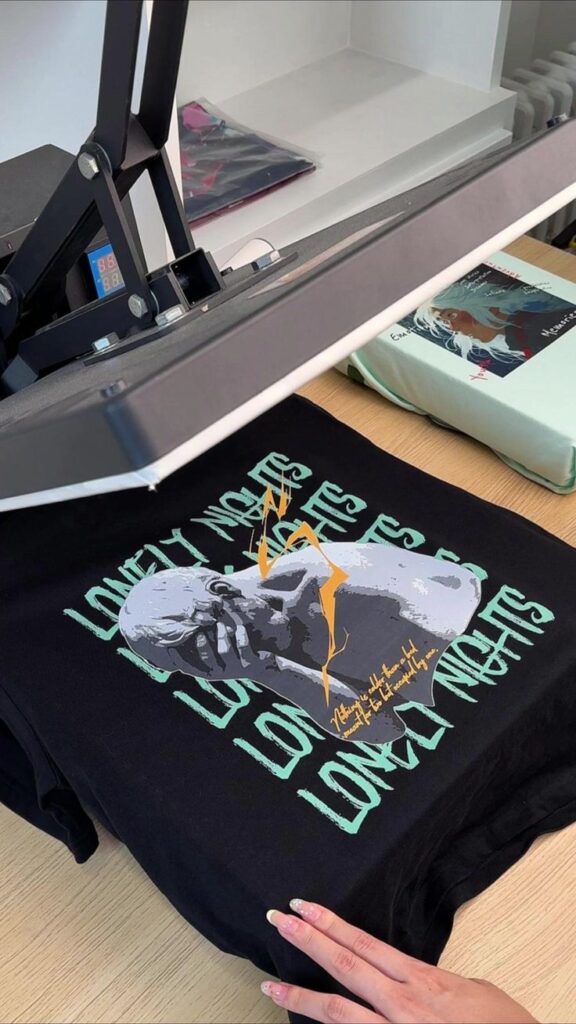
If you speak to most growing apparel brands today, you will notice a pattern. Very few of them want to rely on ready-made products anymore. Not because those options disappeared, but because they no longer offer much control. When every other brand can source the same product, differentiation becomes difficult.
That is where custom apparel manufacturing starts to make sense. Custom apparel manufacturing is the process of producing garments built entirely to a brand’s specifications, from fabric selection and construction to embellishment and branded finishing.
It gives brands the ability to shape their products instead of adjusting to what already exists. The shift is not just internal either. Customers are expecting it. Custom apparel industry statistics show that around 75% of consumers prefer brands that offer personalized or customized products. A good portion is willing to pay more for that experience.
Source: https://wifitalents.com/custom-apparel-industry-statistics/
Understanding how manufacturing works helps avoid unnecessary setbacks. It also makes working with partners like Asiantex far more effective, especially when scaling beyond small batches.
Comprehensive Guide to Custom Apparel Manufacturing
Sourcing apparel sounds straightforward until you are actually doing it. You have a design ready, a target market lined up, and a launch date on the calendar. Then the reality sets in. Lead times stretch. Samples come back wrong. The manufacturer you found online goes quiet after the first inquiry.
This is where most brands realize that the clothing manufacturing process is far more involved than placing an order and waiting for boxes to arrive. This guide breaks that down for brand owners, buyers, and sourcing managers making their first or next production decision.
What “Custom” Actually Means in Apparel Manufacturing
A lot of brands think they are doing custom manufacturing when they are really just printing on blank garments purchased from a wholesale supplier. That is decoration, not manufacturing. The difference matters more than most people realize.
True custom apparel manufacturing means the garment itself is built to your specifications. That includes three layers:
- Construction: The fabric, cut, weight, and fit are chosen for your product. You are not working around a blank somebody else designed.
- Embellishment: Techniques like embroidery, screen printing, heat transfer, or appliqué are applied with precision to your artwork.
- Branding: Woven labels, hang tags, packaging, and care instructions all carry your brand identity, not the manufacturer’s.
The Apparel Production Process — From Brief to Bulk
Understanding the apparel production process end to end is one of the biggest competitive advantages a brand can have. Brands that skip steps end up redoing them at a higher cost later.
Here is how a well-managed production run actually flows:
1. Design brief and tech pack
Everything starts with documentation. A tech pack includes measurements, materials, stitching details, label placement, and colorways. Without one, no serious manufacturer will give you an accurate quote, and samples will go wrong.
2. Fabric and material sourcing
The factory sources or confirms fabric based on your spec. If you are working with a full-service manufacturer, they will often have established supplier relationships that keep costs lower and lead times tighter.
3. Sampling and approval
A pre-production sample is made for your review. At Asiantex, this typically takes 7 to 10 days. This is not a step to rush. The sample is your chance to catch fit issues, color shifts, or embellishment problems before they reach bulk production.
4. Bulk production
Once the sample is approved, production begins. Communication during this phase matters. You should know where your order stands, not find out only when something goes wrong.
5. Quality control and finishing
Every piece goes through inspection before it leaves the floor. This includes checking stitching, print/embroidery placement, dimensions, and finishing details. A manufacturer that only checks at the end of production is leaving too much to chance.
6. Export and delivery
Packing, labeling, customs documentation, and shipping coordination are all part of the job when working with an export-experienced manufacturer.
Core Services Inside a Full-Service Manufacturer
There is a meaningful difference between a CMT shop (Cut, Make, Trim) and a full-service manufacturer. A CMT shop does the physical production but leaves material sourcing, embellishments, and logistics to you. A full-service partner handles the whole picture.
For brands working across multiple decoration methods, this matters enormously. Managing three separate vendors for embroidery, printing, and garment construction is a coordination problem most brand teams cannot afford.
At Asiantex, all three capabilities sit under one roof:
- Embroidery Services — flat embroidery, 3D puff, appliqué, and specialty finishes that hold up across washes and wears.
- Printing Services — advanced decoration techniques suited for both detail-heavy artwork and high-volume runs.
- Apparel Manufacturing Services — end-to-end garment production from sampling through bulk delivery.
How to Evaluate a Custom Apparel Manufacturer
Most brands evaluate manufacturers on price alone. That is the wrong starting point. Price is the output of a dozen other decisions. Evaluating a manufacturer well means looking at what produces that price and what risks come with it.
| Evaluation Criteria | What Strong Manufacturers Offer | Red Flags to Watch | Asiantex’s Standard |
| Sampling turnaround | 7–10 business days | No sample policy or vague timelines | 7–10 days confirmed |
| In-house capabilities | Embroidery, printing, and cutting under one roof | Heavy reliance on subcontractors | Fully in-house |
| MOQ flexibility | Accommodates both small runs and large bulk orders | Rigid high MOQs with no exceptions | Flexible based on service |
| Quality control | QC checkpoints across all production stages | Final inspection only | Every stage of production |
| Export experience | Proven international shipping and documentation | Domestic-only track record | 10+ years of global exports |
| Communication | Dedicated point of contact, responsive | Generic email queues, slow follow-up | Direct sales team |
The Clothing Manufacturing Process — What Brands Often Get Wrong
Most production problems do not start at the factory. They start before the order is even placed. The clothing manufacturing process rewards preparation and punishes shortcuts.
The most common mistakes:
- Skipping the tech pack. Verbal descriptions are not specifications. Without a proper tech pack, every sample becomes an interpretation, not a replication.
- Choosing price over process. A manufacturer quoting 20% below everyone else is cutting corners somewhere. Find out where before you commit.
- Ignoring the sample stage. Brands that rush to bulk to save time almost always lose more time fixing issues that sampling would have caught.
- Underestimating lead times. Sampling takes 7 to 10 days. Bulk production takes 2 to 4 weeks. Build these into your calendar or your launch date will slip.
What to Expect When You First Partner With a Manufacturer
Knowing what to prepare makes garment manufacturing for brands far smoother from the start. Here is what a productive first engagement looks like on both sides.
What you should bring:
- Artwork files in vector format where possible
- A completed or near-complete tech pack
- Clear fabric preferences or reference garments
- Your production timeline with any hard deadlines
What a reliable manufacturer brings back:
- A clear quote with no vague line items
- A sample timeline with confirmed milestones
- Honest feedback on what is achievable within your specs and budget
At Asiantex, the process starts with a direct conversation, not a form or an automated reply. Production requirements are understood before any commitments are made. That transparency upfront is usually where longer partnerships begin.
Choosing the Right Partner Changes Everything
Custom apparel manufacturing is not complicated in theory. You have a design, a manufacturer builds it, and it reaches your customer. In practice, every step between those points involves decisions that affect quality, cost, and timing.
Brands that treat manufacturing as a commodity end up with commodity results. Those that invest in finding a garment manufacturing partner for brands with real capabilities, real quality control, and real export experience tend to build better products and longer-lasting businesses.
With over 10 years of experience, in-house embroidery, printing, and full garment manufacturing under one roof, Asiantex is built to be that kind of partner.
FAQ’s
1. What is the difference between custom apparel and private label clothing?
Custom apparel is made from scratch to your specs. A private label is simply adding your branding to someone else’s ready-made design.
2. How do I find a reliable apparel manufacturer?
Look for verified export experience and in-house production. Direct, responsive communication from day one is usually a good indicator.
3. What documents do I need before starting production?
A tech pack and your artwork files are the bare minimum to get started accurately.
4. What is a tech pack?
It covers every garment detail, from measurements to label placement, so the factory has one clear reference to work from.
5. How many samples should I expect?
Usually one to three rounds, depending on how detailed your initial specs are.
6. What if my bulk order does not match the approved sample?
Document it with photos and contact your manufacturer straight away. A trustworthy partner will own the issue and resolve it.
7. Can startups work with custom manufacturers?
Yes, many offer flexible minimum order quantities. Do not assume bulk volumes are always required.
8. How long does the process take?
Sampling takes 7 to 10 days, bulk production 2 to 4 weeks, plus shipping.
9. What garments can be custom-manufactured?
T-shirts, hoodies, jackets, uniforms, activewear, caps, and more, depending on the factory’s setup.
10. Is it more expensive than buying wholesale blanks?
Per unit, yes. But you own the design and branding fully, which is what builds a real brand over time.